On this page
Choosing an insulated bag manufacturer means checking more than price. Before you request samples or place an order, review the supplier’s experience with insulated products, proposed materials, sampling process, customization scope, MOQ, quality checks, production planning and communication. Price is still relevant, but it should be compared after the product requirements are clear. A useful supplier comparison also asks whether decisions can be documented and carried from sample approval into the production order. These eight factors help buyers compare suppliers using the same practical questions and reduce surprises after approval.
Key Takeaways
- Compare relevant insulated-bag experience, not only a supplier’s general bag catalogue.
- Confirm the full construction, including outer fabric, insulation, lining, zipper and stitching.
- Use an approved sample as the reference point for the production order.
- Ask how logo, color, size, packaging and structural changes affect the project.
- Request clear answers about MOQ, timing, inspections and how specifications will be confirmed.
8 Factors at a Glance
| Factor | What to Ask | Evidence to Request | Potential Red Flag |
|---|---|---|---|
| Product experience | Has the supplier handled a similar insulated structure? | Comparable sample or construction details. | Only general bag examples are offered. |
| Materials | What is proposed for each layer and trim? | Material list and physical swatches. | Material names are vague or incomplete. |
| Sampling | What will the sample confirm before approval? | Sample checklist and change record. | Changes are agreed only verbally. |
| Customization | Which changes affect the sample or quotation? | Artwork placement and option list. | Every option is promised without detail. |
| MOQ | What MOQ applies to this exact brief? | Written MOQ basis for material, logo and packaging. | One universal MOQ is quoted before details. |
| Quality control | Which approved details will be checked? | Inspection points linked to the sample. | No clear comparison with the approved sample. |
| Capacity and lead time | What steps affect the requested delivery date? | Sequence from sample approval to dispatch. | Timing is promised without material or approval checks. |
| Communication | How are changes and shipping instructions recorded? | Written specification and feedback process. | Replies do not confirm key requirements. |
1. Check the Manufacturer’s Experience With Insulated Bags
Experience with insulated construction matters because an insulated bag combines several materials and joining methods. A supplier may make ordinary tote bags well but still need to clarify how it handles lining, insulation, bound seams, zippers and load-bearing parts in an insulated design.
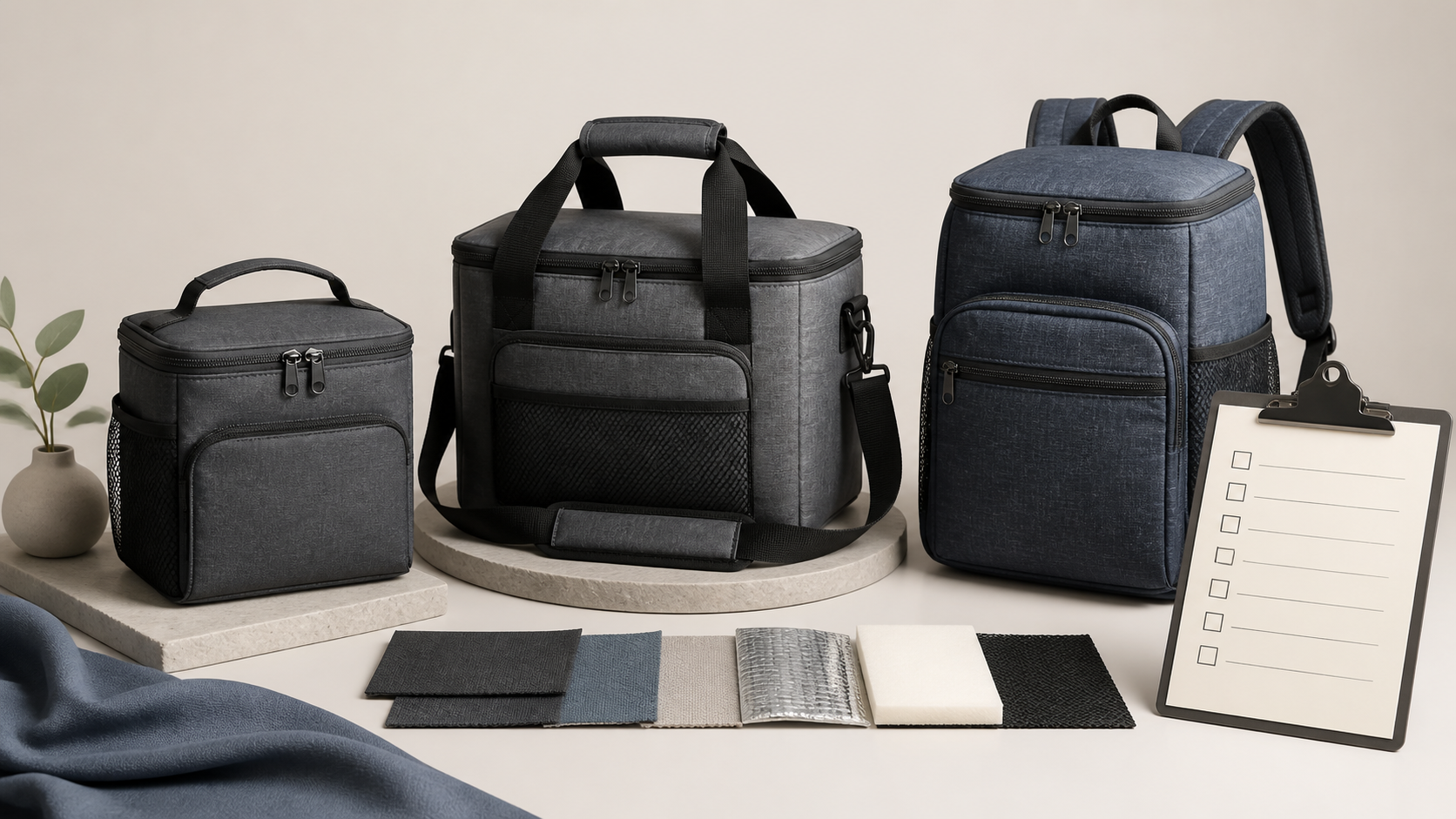
Ask for examples that are close to your intended use. Lunch bags, soft cooler bags, insulated backpacks and delivery bags can have different shapes, access points, carrying methods and internal layouts. The most useful comparison is a previous product with a similar structure, not just a similar color.
2. Check Materials and Bag Construction
An insulated bag should be reviewed as a complete construction. Buyers should ask what is proposed for the outer fabric, insulation layer, inner lining, zipper, webbing, stitching and binding, then compare those choices with the intended use and target price.
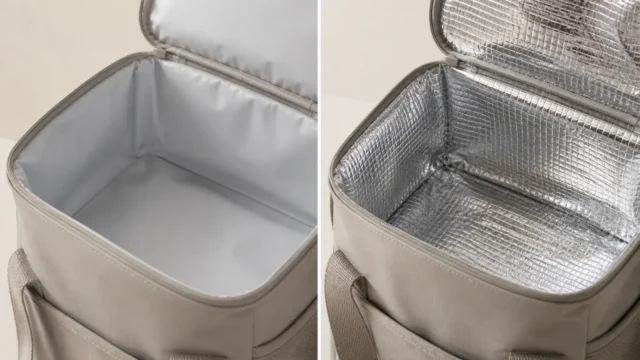
Oxford fabric and polyester are common outer-material terms. PEVA is often discussed for inner linings, while EPE is a common name for an insulation layer. These names alone are not a specification: confirm the material choice, finish and construction for the actual sample.
Manufacturing note: A material name alone does not describe the finished bag. Before approving a sample, check how the outer fabric, insulation, lining, binding and zipper area meet at corners, seams and openings.
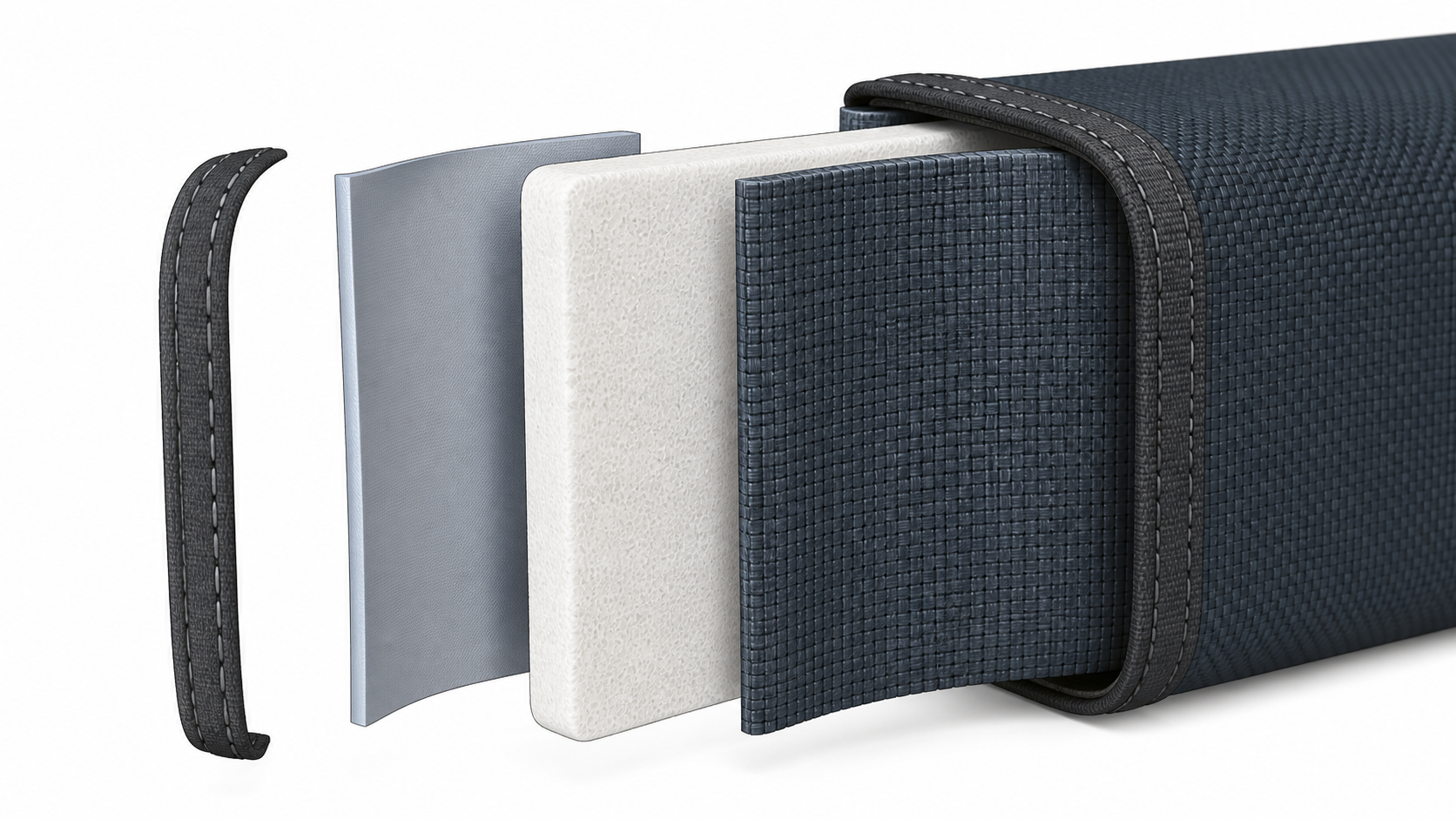
| Component | What buyers should confirm |
|---|---|
| Outer fabric | Proposed material, color, surface appearance and suitability for the product use. |
| Insulation layer | Material choice, coverage around the bag and how it is held in place. |
| Inner lining | Material, seams, cleanability expectations and how the lining is joined to the body. |
| Zipper, webbing and binding | Placement, operation, reinforcement and finish on the approved sample. |
3. Evaluate Sampling Capability
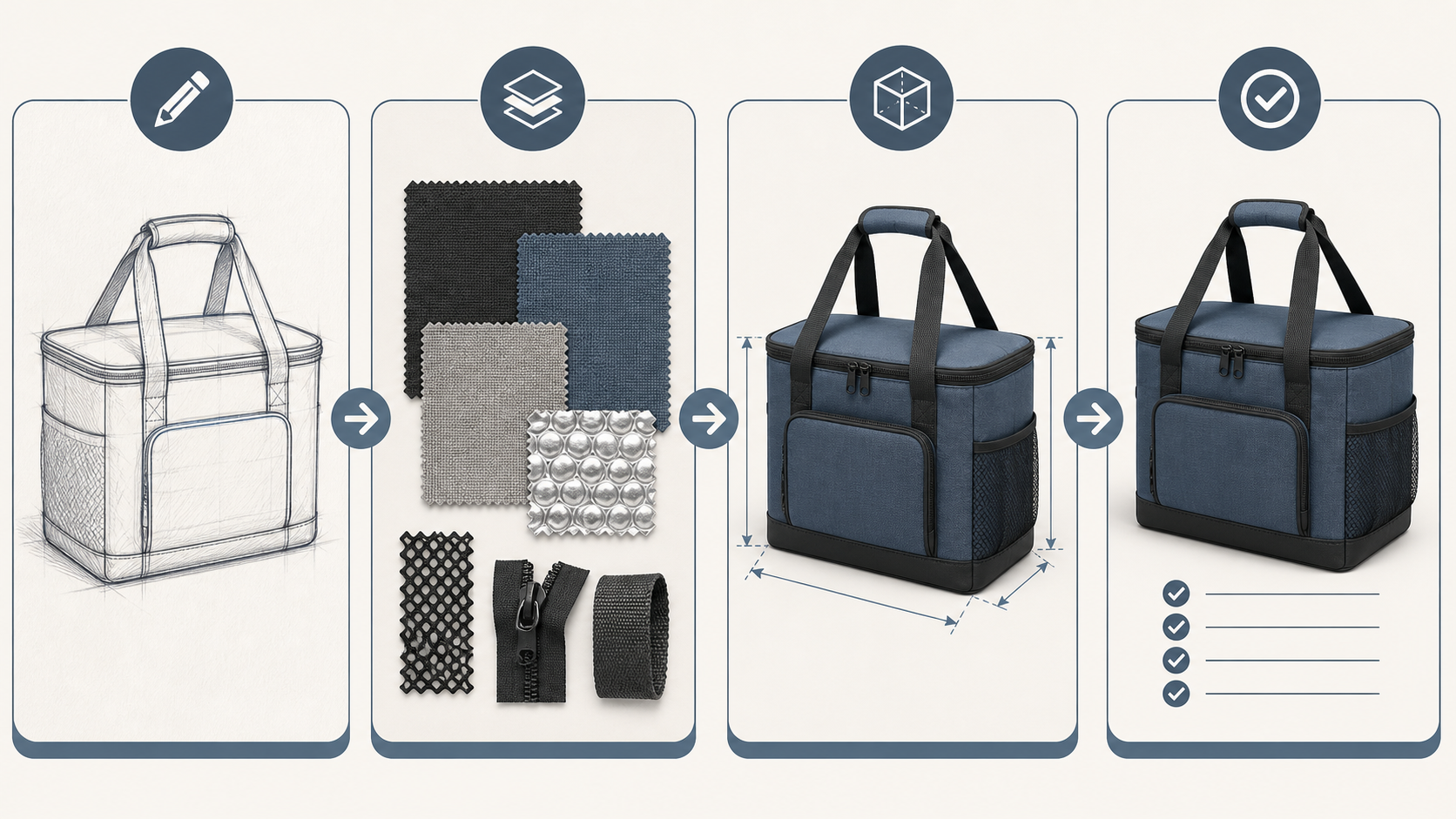
A sample is the buyer’s best chance to turn a written brief into a physical reference. The supplier should be able to confirm the intended dimensions, structure, materials, lining, insulation, logo position, zipper choice and workmanship before production is discussed in detail.
Review the sample against a simple checklist. Note any changes in writing, including small details such as pocket placement, handle length, seam finish or the position of a label. Once approved, the sample should normally become the reference for mass production unless both sides agree to a later change.
Manufacturing note: Small changes can affect a sample more than buyers expect. Record dimensions, lining, insulation, zipper, stitching and logo position in one approval record so the production reference is clear.
4. Check Customization Options
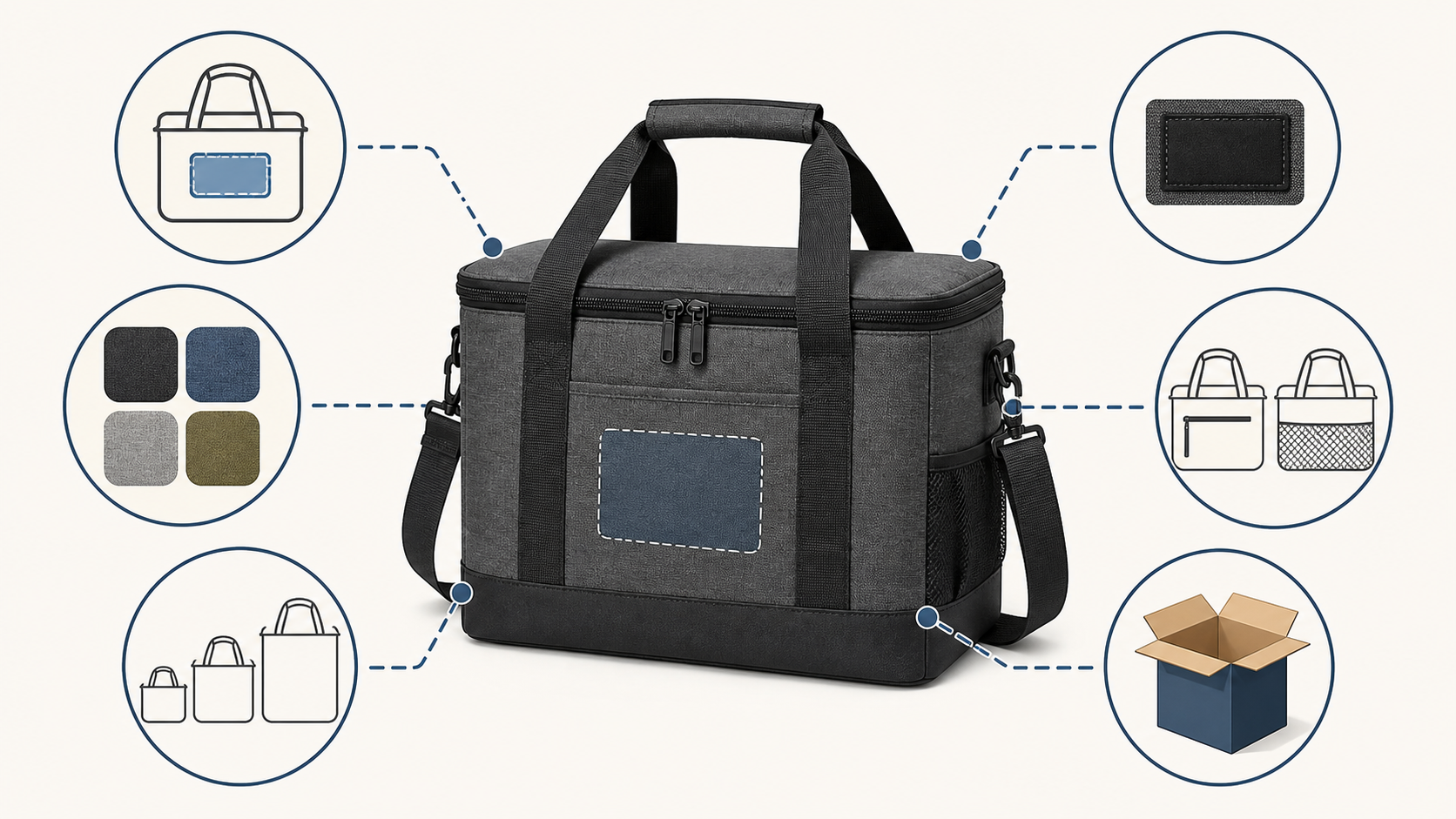
Customization should be discussed as a list of practical choices, not a broad promise. A buyer can ask about logo placement, material and color changes, size, label, packaging and structural changes such as pockets, handles or closures.
For each requested change, ask whether it requires a new material, artwork, tooling, sample step or packaging method. This helps you understand which choices affect timing, MOQ or the final quotation. See the available lunch and cooler bag category and the custom manufacturing overview for relevant product context.
5. Confirm MOQ and Production Flexibility
There is no universal MOQ for a custom insulated bag. The practical minimum can change with the product structure, selected materials, logo method, custom color, packaging and overall order complexity.
Ask each supplier what MOQ applies to your exact brief, what is included in that quantity, and which changes would affect it. Also ask whether the MOQ differs for a repeat order after the first approved version. Clear answers are more useful than a general number shown before the details are known.
6. Review Quality Control Procedures
Buyers should ask how the supplier plans to check the key details visible on the approved sample. A useful process covers incoming materials, stitching, zipper operation, lining, dimensions, logo position, workmanship and final packing checks.
The goal is not to assume a particular inspection standard. It is to agree on what will be checked, when questions will be raised and how the approved sample will be used as the comparison point. You can also review the site’s Factory & Quality page for the current public overview.
Manufacturing note: For an insulated bag, buyers should inspect the areas that join different materials, such as lining edges, bound seams and zipper openings. The approved sample gives the clearest reference for evaluating these details.
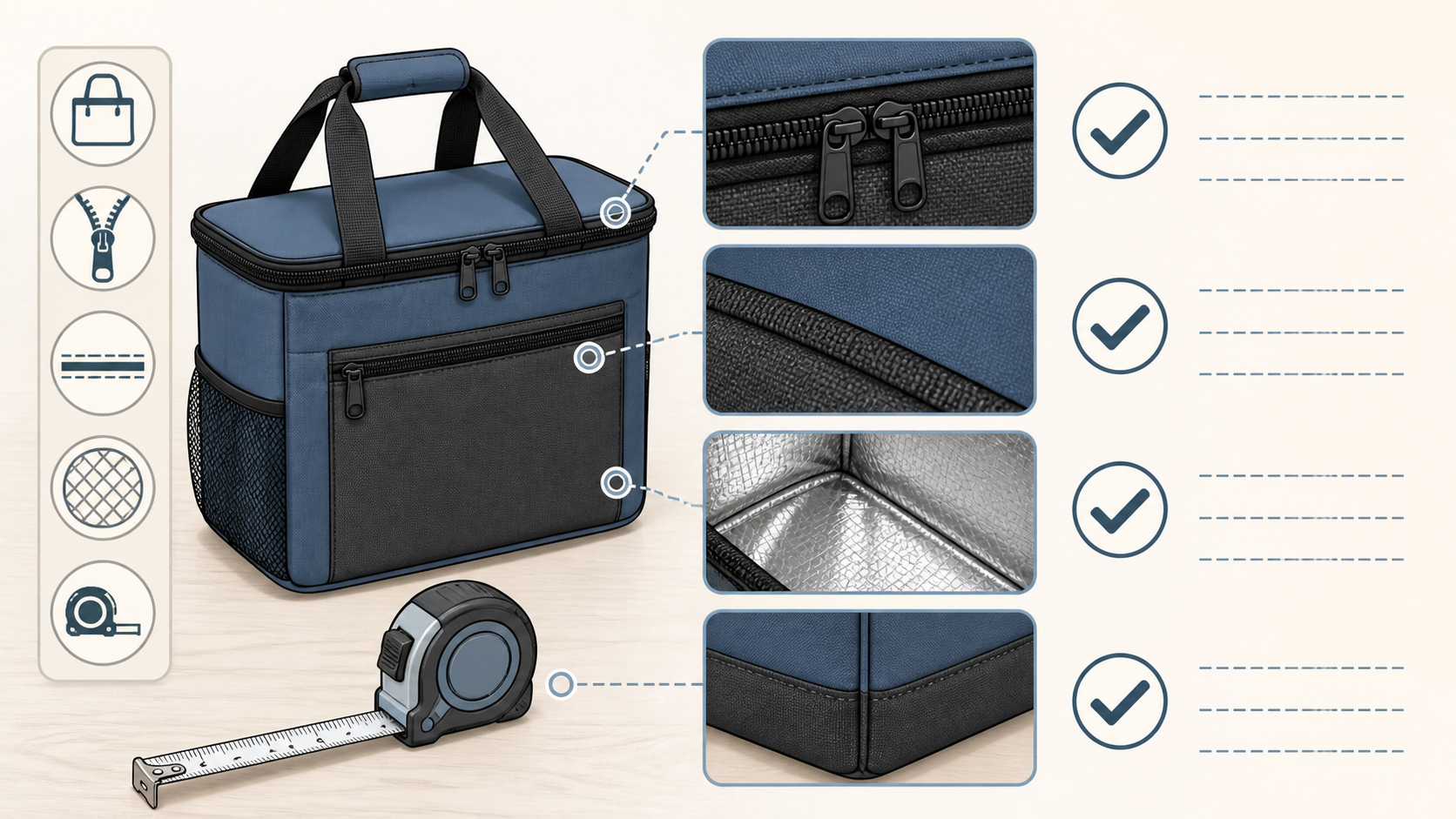
| Inspection Item | What Buyers Should Check |
|---|---|
| Materials | Match the approved material and color reference. |
| Stitching and binding | Check neatness, reinforcement and consistency at stress points. |
| Zipper and lining | Confirm smooth zipper operation and a clean, securely joined lining. |
| Dimensions and shape | Compare the finished bag with the approved sample and agreed drawing. |
| Logo and finishing | Check position, appearance, labels, loose threads and final workmanship. |
7. Check Production Capacity and Lead Time
Production timing depends on more than the order quantity. Buyers should discuss sample approval, material availability, the current production schedule, product complexity and the required shipping deadline before treating a date as confirmed.
Ask for the sequence of steps from quotation to sample, approval, production, final inspection and dispatch. This makes it easier to identify decisions that must be made early and to plan a realistic arrival date. For broader product options, see the PINGEBAG products archive.
8. Evaluate Communication and Export Support
Clear communication can be assessed through specific signals. Look for replies that repeat the key specifications, identify missing information, show how sample feedback will be recorded and explain what documents or packaging instructions are needed before shipment.
Ask who will confirm artwork, changes and sample feedback; how packaging instructions will be documented; and how shipping coordination will be handled. These questions give a buyer a practical way to assess communication before a larger commitment is made.
Insulated Bag Manufacturer Checklist
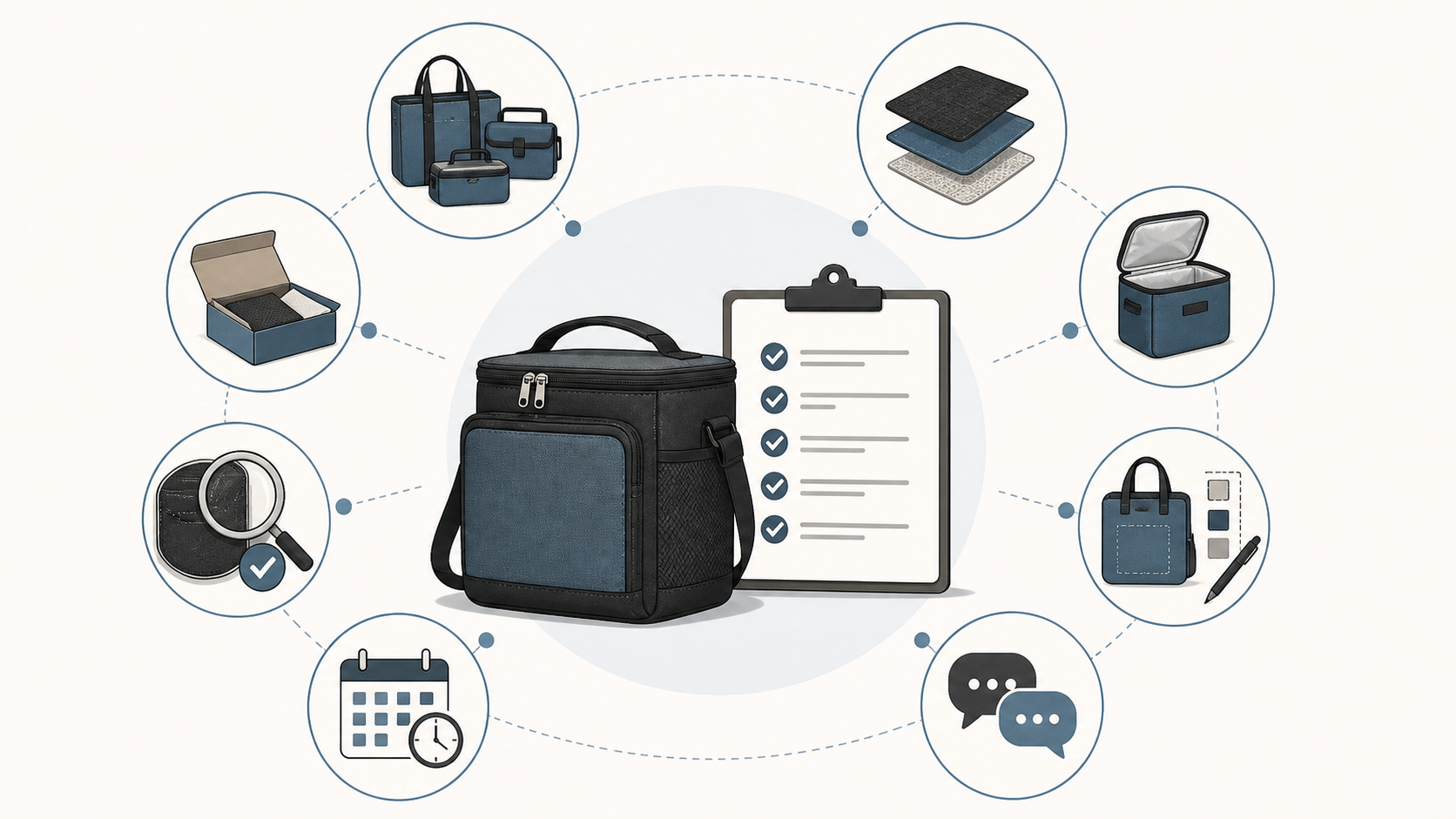
Use this concise checklist when comparing an insulated bag manufacturer:
- Product experience: Has the supplier handled a similar insulated-bag structure?
- Materials and construction: Are outer fabric, insulation, lining and trims clearly defined?
- Sampling: Can the sample be reviewed and approved as the production reference?
- Customization: Are logo, color, size, label, packaging and structural requests clear?
- MOQ: Is the MOQ confirmed for the exact project rather than a generic product?
- Quality control: Are inspection points agreed for materials, construction and finishing?
- Production capacity and lead time: Does the schedule account for approvals, materials and shipping?
- Communication: Are specifications, changes and shipping instructions documented clearly?
Frequently Asked Questions
How do I choose a reliable insulated bag manufacturer?
Compare relevant product experience, materials, sampling, customization, MOQ, quality checks, schedule planning and communication. Ask each supplier the same questions and compare written answers with the proposed sample.
What should I check in an insulated bag sample?
Check dimensions, structure, outer material, lining, insulation, logo position, zipper operation, stitching, handles and overall workmanship. Record approved details so the sample can be used as the production reference.
What materials are commonly used in insulated bags?
Common terms include Oxford fabric or polyester for an outer layer, EPE for insulation and PEVA for an inner lining. The correct choice depends on the product design and should be confirmed in the sample specification.
What affects the MOQ for custom insulated bags?
MOQ can change with structure, materials, logo method, custom colors, packaging and order complexity. Ask for an MOQ based on your specific brief.
How long does custom insulated bag production take?
Timing depends on sample approval, materials, the production schedule, order complexity and shipping plans. Confirm the sequence and dates with the supplier for your order.
Can insulated bags be customized with a logo?
Ask the supplier which logo placements and methods are suitable for the selected material and bag construction, then confirm the result on the sample before production.
Plan Your Custom Insulated Bag Project
If you are developing a custom insulated bag, you can contact PINGEBAG with a product reference, dimensions, material requirements, quantity, logo requirements and destination country. These details help start a practical feasibility review or quotation discussion.